This album was created by a member of the TPS Teachers Network, a professional social media network for educators, funded by a grant from the Library of Congress. For more information, visit tpsteachersnetwork.org.

    Asian American Pacific Islander (AAPI) Lesson Plans--Grades 6-12

    Album Description

    Civics education is vital to safegarding democracy. Teachers can cultivate classrooms that center civic participation by teaching historical events that shed light on the actions and agency of historically marginalized groups (Clay & Rubin, 2020). When classrooms become spaces where students can grapple with social movements and issues, they incite students’ disciplinary thinking and inform their civic agency. In this 2023 professional development initiative (sponsored by the TPS Eastern Region), participants created lesson plans that incorporate Asian American Pacific Islander (AAPI) history. The lesson plans were developed by 6-12 grade teachers in districts that passed bills mandating schools to teach AAPI history. The school districts' K-12 mandates were spurred by a dramatic increase in Asian hate crimes during the pandemic (Zhou, 2021). The lesson plans incorporate AAPI history in order to expand English and social studies narratives. 


     6 - 8   9 - 12   Social Studies/History   English/Language Arts   AAPI   AAPDI   Lesson Plans   TPS Eastern Region 

      Minkyung Choi 

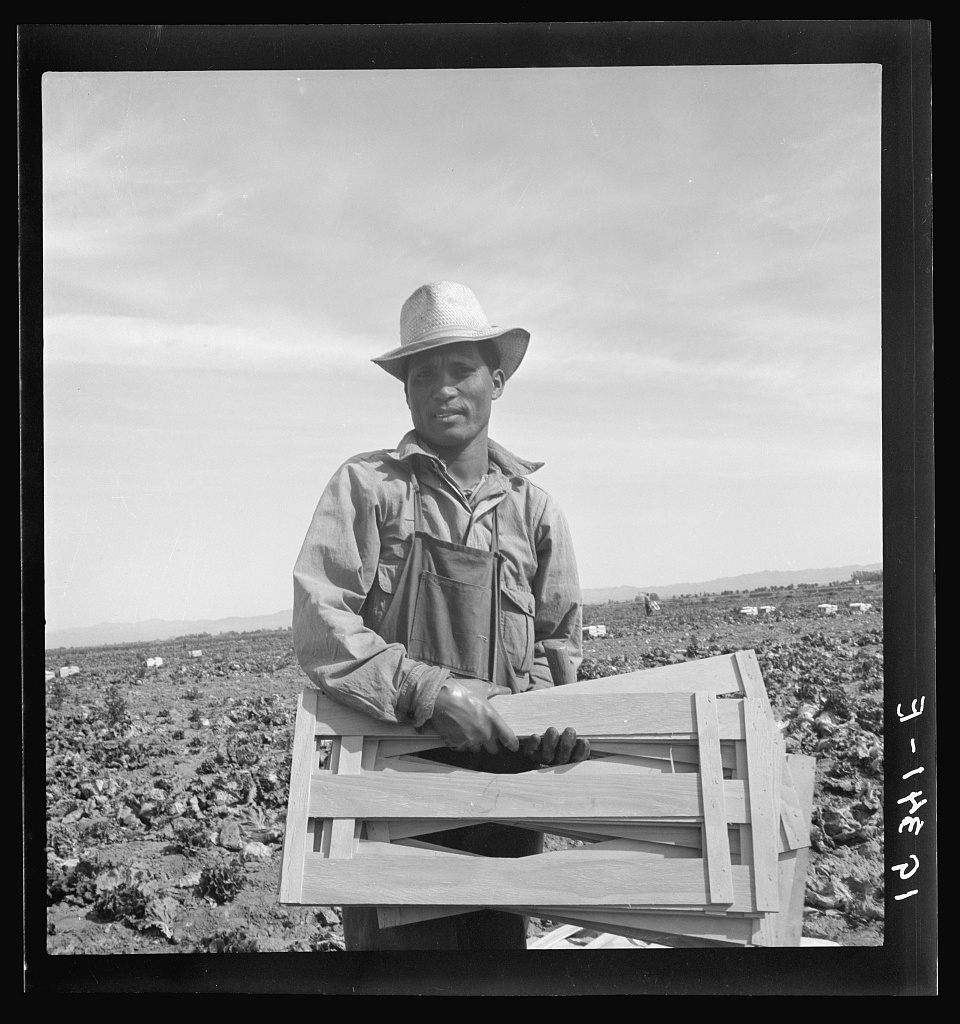
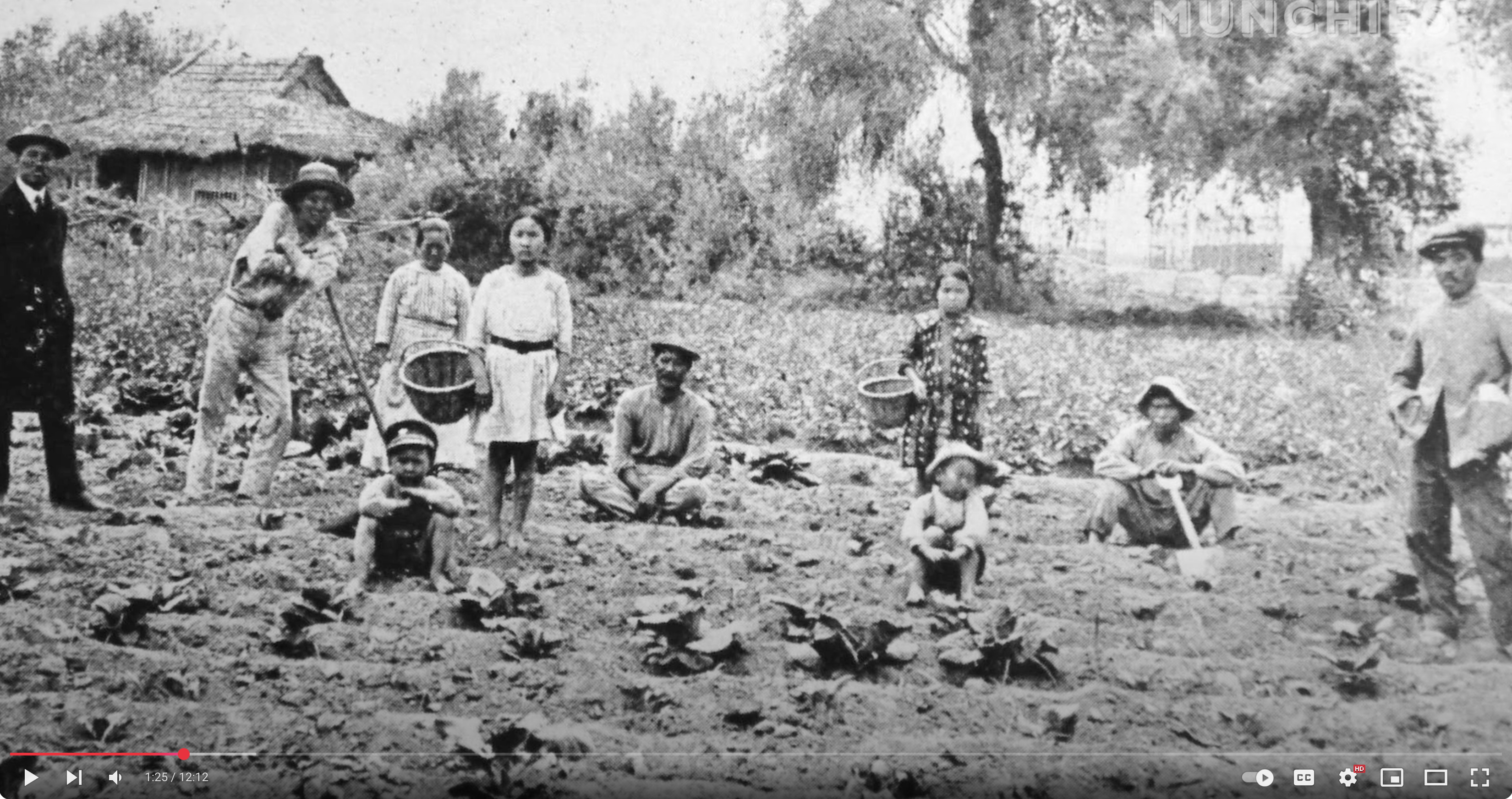
    History of Filipino Immigration to the U.S. - Filipino Farm Workers

    Teaching Notes

    Lesson Description: Upon completing the study of the poor working conditions that existed in England during the Industrial Revolution and how labor unions formed and government reforms were made to improve worker hours and conditions, students will learn about how the Filipino immigrant population became active in the farm labor movement. This lesson provides background on Filipino immigration to the United States.

    Access the complete lesson plan created by   Jodi Eliasson  HERE

      9 - 12   Social Studies/History   Filipino   Immigration   Farm Workers   AAPI   Labor   Labor Movement   Lesson Plan  
    Reference note

    Filipino lettuce field laborer. Imperial Valley, California

    Created / Published

    • 1939 Feb.

    Genre

    • Nitrate negatives

    Notes

    • -  Title and other information from caption card.
    • -  Transfer; United States. Office of War Information. Overseas Picture Division. Washington Division; 1944.
    • -  More information about the FSA/OWI Collection is available at http://hdl.loc.gov/loc.pnp/pp.fsaowi
    • -  Temp. note: usf34batch2
    • -  Film copy on SIS roll 27, frame 2638.

    Repository

    Digital Id

    • fsa 8b33373 //hdl.loc.gov/loc.pnp/fsa.8b33373

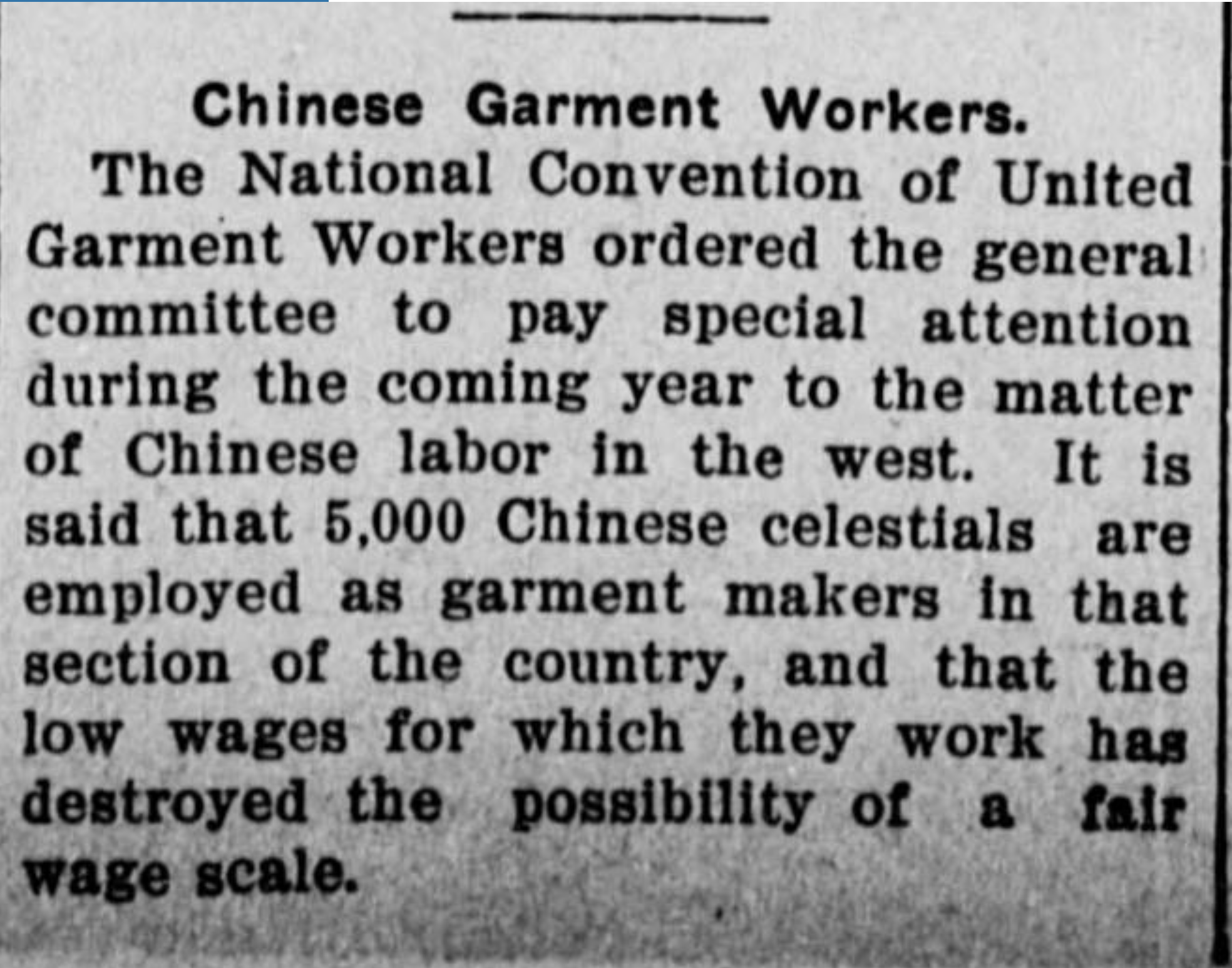
    1982 China Garment Workers Strike

    Teaching Notes

    Lesson Plan Description: Students will learn about the 1982 Chinatown garment industry strike in which 20,000 mostly Chinese immigrant women fought for better wages, protections on the job, and a greater say in how the workplace is run. Students will connect this 1982 strike with the ILGWU’s (international ladies garment workers union) labor history in New York City, especially as it has fought for immigrant women’s rights in the wake of the triangle shirtwaist factory fire.

    Access the complete lesson plan created by William Cheung HERE

      9 - 12   Social Studies/History   Chinatown   Labor   Chinese immigration   Labor strikes   New York City   ILGWU  

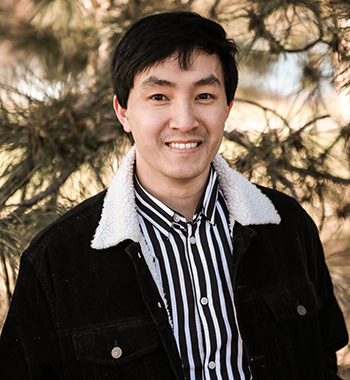
    The Magic Fish by Trung Le Nyguen

    Teaching Notes

    Lesson Description: This lesson is the introduction to The Magic Fish and is taught to share the importance of multiple narratives (having narrative plentitude as Viet Thanh Nyguen states) and also for students to grapple with the complexity of the multiplicities of identities (The main character is Tiên whose mother is a Vietnamese refugee, grappling to come out to his mom, and more). Students will examine the power and purpose of various forms of narratives that are present in The Magic Fish. Students in this lesson will be introduced to the concept of narrative plentitude and the concept of what it means to connect with one another/ build relationships through language and storytelling (an overarching theme of this text). We will also begin to examine the importance of generational storytelling and students will be able to connect to other previous units from The Joy Luck Club (through the power of narratives) and its impact on identity construction.

    In this lesson, we will explore the history and background of Vietnamese refugees and the concept of dominant narrative and counternarratives. This will build towards reading the poem “The Things We Carry” by Wang Ping in
    order to build connections among immigration stories to the United States and continuing building on the skills of personal narrative through modes like poetry and creating graphic novel panels.

    Access the complete lesson plan created by Diana Liu HERE

      9 - 12   English/Language Arts   Social Studies/History   Vietnamese Refugees   Storytelling   Personal Narrative   LGBTQ  

    Reference note

    Trung Le Nguyen Library of Congress Web Page https://www.loc.gov/item/n2019059480/trung-le-nguyen/ 

    Trung Le Nguyen: National Book Festival 2021 https://www.loc.gov/item/2024697642/ 

    Summary: Trung Le Nguyen discusses "The Magic Fish" (Random House), a graphic novel addressing the complexity of family and how stories bring us together, with Sean Basran and Lexi Montoya, student ambassadors from 2020-2021 National Ambassador Jason Reynolds' GRAB THE MIC program.

    The Namesake by Jhumpa Lahiri--Opening Paragraphs Close Read

    Teaching Notes

    Lesson Description: Oftentimes the opening paragraphs of a novel are very telling. Authors often craft these paragraphs in a very particular way in order to establish setting, themes, conflict, and characterization. Before students
    begin reading the entirety of The Namesake, we will read the opening two paragraphs and examine Lahiri’s use of imagery, diction, and overall craft to make predictions about the novel’s themes, conflicts, and Ashima’s characterization.

    Access the complete lesson plan created by Joyce Fischer HERE

      9 - 12   English/Language Arts   Literature   Close Reading  

    Bonus Library of Congress Resource: Letters About Literature was a national reading and writing program that asked young people in grades 4 through 12 to write to an author (living or deceased) about how his or her book affected their lives. The winner of the 2014 contest was Riddhi Sangam. Read her winning letter to Jhumpa Lahiri HERE

    Reference note

    Attribution for Portrait of Author Jhumpa Lahiri 

    Mercatus Center, CC BY 3.0 , via Wikimedia Commons

    They Called Us Enemy: Discussing Loyalty Questionnaire and “No-No Boys”
    Teaching Notes

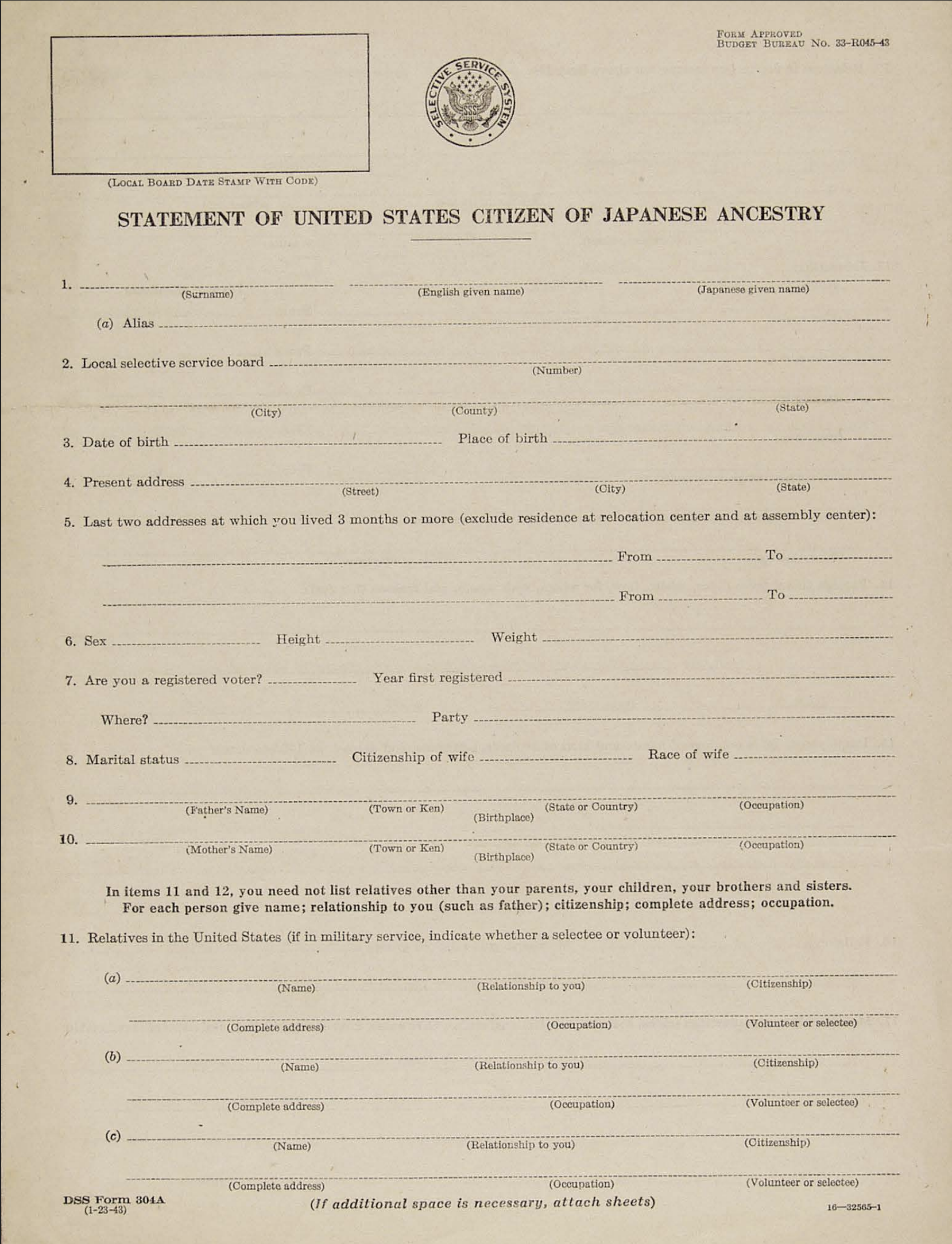
    Lesson Description: The 1943 Loyalty Questionnaire, also called the "Statement of United States Citizens of JapaneseAncestry," was a form given to Japanese Americans who were incarcerated in camps during World War II.
    Through the questionnaire, the US government evaluated the allegiance of Japanese Americans and verified their eligibility for military participation.

    The questionnaire consisted of two key questions, numbered 27 and 28, which proved to be particularly controversial and led to confusion and resentment among those who were forced to answer them.

    This lesson can be used for George Takai’s They Called Us Enemy or an activity for a book about the Japanese incarceration. Students will learn the Loyalty Questionnaire of 1943 and the “No-No Boys” and discuss how the questionnaire took away their basic rights.

    Access the complete lesson plan created by Jean Kim HERE

      6 - 8   English/Language Arts   Social Studies/History   Loyalty Questionnaire   Japanese American Incarceration   George Takei   No-no boys  

    Reference note

    The so-called "Loyalty Questionnaire" https://ddr.densho.org/ddr-densho-72-4/ 

    Densho Digital Repository - https://densho.org/ 

    Free re-use available This object is protected by copyright, but the rights holder has allowed us to make it available to you for non-commercial, educational projects.

    Densho documents the testimonies of Japanese Americans who were unjustly incarcerated during World War II before their memories are extinguished. We offer these irreplaceable firsthand accounts, coupled with historical images and teacher resources, to explore principles of democracy and promote equal justice for all.

    Practice of Eastern Belief Systems by Asian Americans
    Teaching Notes

    Full title: Belief Systems in Ancient Civilizations and how those belief systems are practiced in recent history by Asian Americans.

    Lesson Description: The belief systems of Hinduism, Buddhism, and Islam were developed in the Eastern Hemisphere. Today, there are 24 million Asian Americans living in the United States. These religions are still practiced today
    in the United States.

    Access the complete lesson plan created by Katherine Dinerman HERE

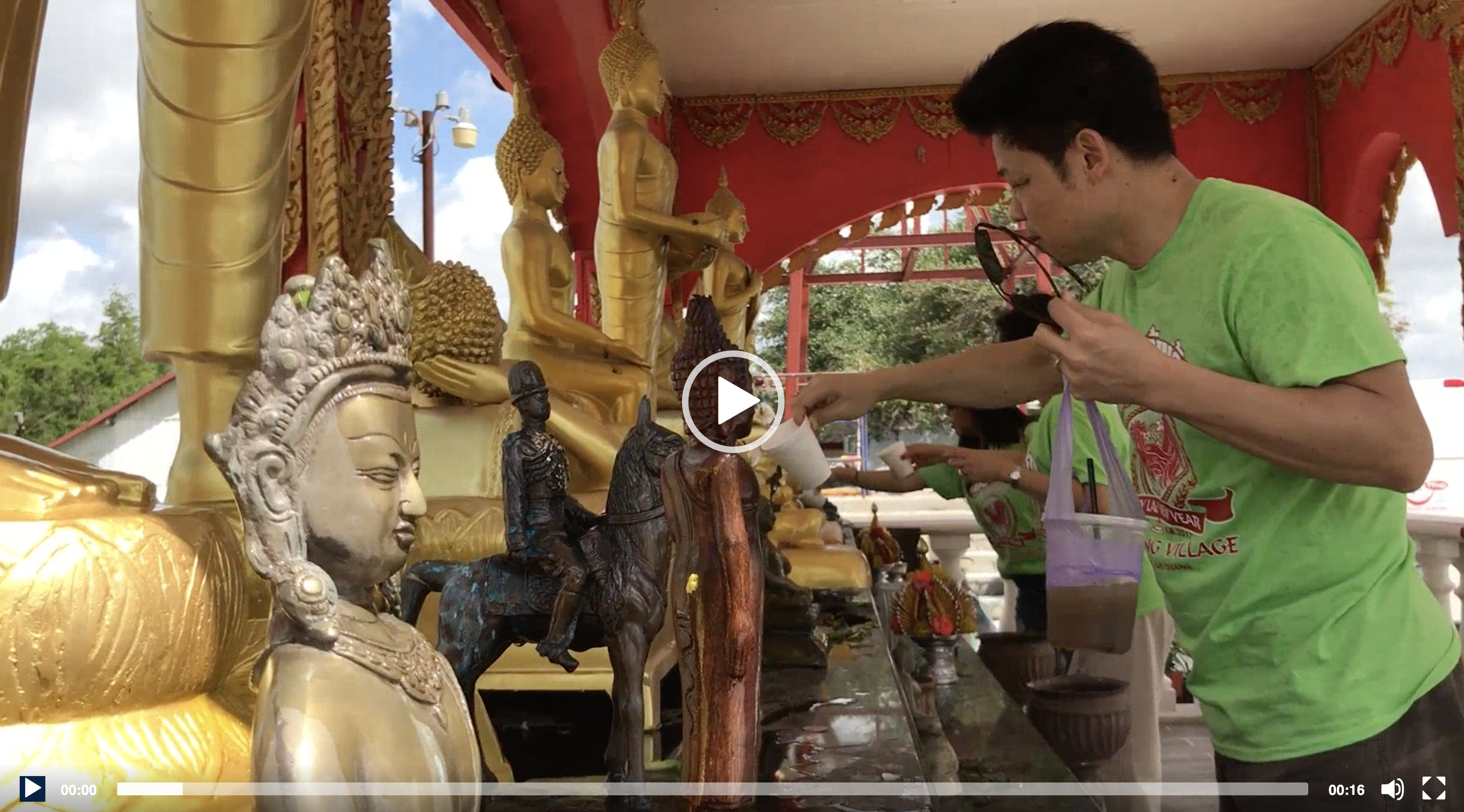
    (Note that the image presented here is a screen shot from a Library of Congress video. Please click on the reference link to play the video in full.)

      6 - 8   Social Studies/History   Eastern Hemisphere   Hinduism   Buddhism   Islam   Religious Studies   Asian Americans  

    Reference note

    https://www.loc.gov/item/afc2022010_019_mv001/

    Title

    • Historic Media Pre-2022: Lao Immigrant Buddhism Religion

    Created/Published

    • Broussard, Louisiana

    Additional resources: 

    Monks giving blessings and tying ritual blessing string.

    Monks tying ritual blessing string on visitors.

    [Collection of historic photographs from previous Lao Lunar New Years (circa 1985-2021) focusing on the themes of religion, Buddhism and spiritual rituals.]

    Mini Unit--Chinese American Experience
    Teaching Notes

    Lesson Description: The Chinese Exclusion Act marked a strong sense of nativism in the United States in the late 19th century. Upon the passage of the Chinese Exclusion Act, Chinese immigrants were reduced to a minimum. For
    those who were already in the United States, they faced many challenges. This lesson is going to talk about these challenges by having students do research about particular cases to broaden their understanding of this period.

    Access the complete lesson plan created by Xiaochun Wang HERE.

      6 - 8   Social Studies/History   Chinese Exclusion Act   Mamie Tape   San Francisco Board of Education   Tape v. Hurley  


    Reference note

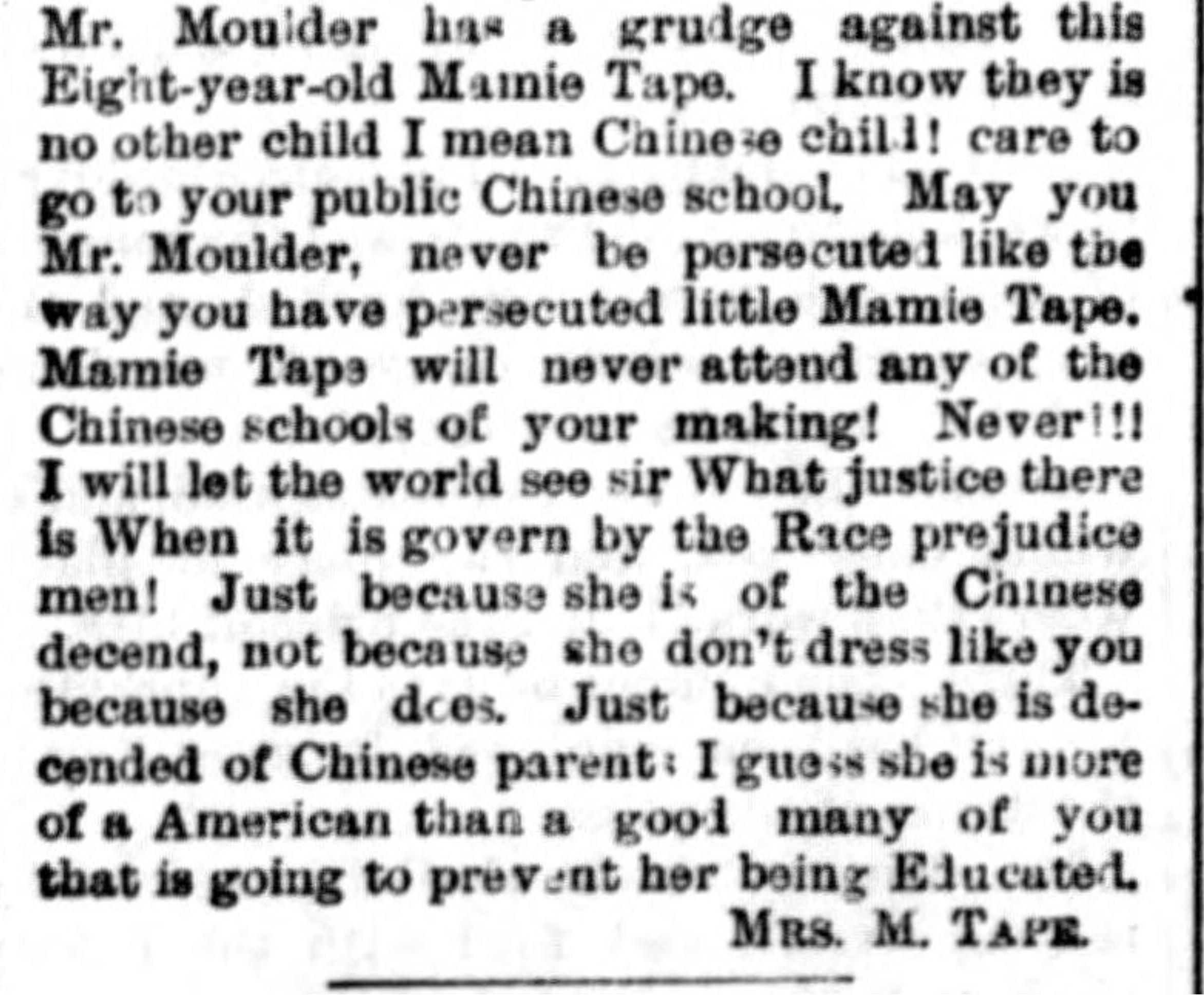
    Mamie Tape - Letter from Mrs. M. Tape to the San Francisco Board of Education, 1885

    Image 1 of The new North-west (Deer Lodge, Mont.), May 22, 1885
     
    Image provided by: Montana Historical Society; Helena, MT


    Geography and Food: An Exploration of "Asian Fusion" Peru and Japan Nikkei Cuisine
    Teaching Notes

    Lesson Description: Students will examine the term “Asian fusion” as a cuisine (and the limitations of the term). Students will focus on Central/South American “Nikkei” food (Peruvian and Japanese) in Lesson 1, and Indian influence in Trinidad for lesson 2. The goal is for students to evaluate the influence of migration and the cultural diffusion that occurs.

    Access the complete lesson plan created by Rebecca Saltzman HERE.

      6 - 8   Social Studies/History   Nikkei   Peru   Cuisine   Asian Fusion   Japanese Immigration  

    Reference note

    YouTube video - Nikkei is a Japanese-Peruvian Mashup Born from Migration

    https://www.youtube.com/watch?v=ZpjEwb-SMAE 

    In Close to Home, Michelle Zauner, an author and the singer of Japanese Breakfast, explores the results of migration on cuisine, and the personal experiences and community that are tied into the merging of food cultures. As cooks try to replicate familiar dishes in foreign homes, they rely on what’s around them. But by tying in techniques, ingredients, and sensory memories from their places of origin, they create new, hybrid cuisines. In this episode, Michelle meets with Mina Newman, executive chef of Sen Sakana in NYC, to talk about Nikkei cuisine. Nikkei refers to the culinary result of the Japanese diaspora in Latin America—specifically how Japanese migration influenced Peruvian cooking.

    Free to Use and Reuse: Asian American Pacific Islander Heritage
    Teaching Notes

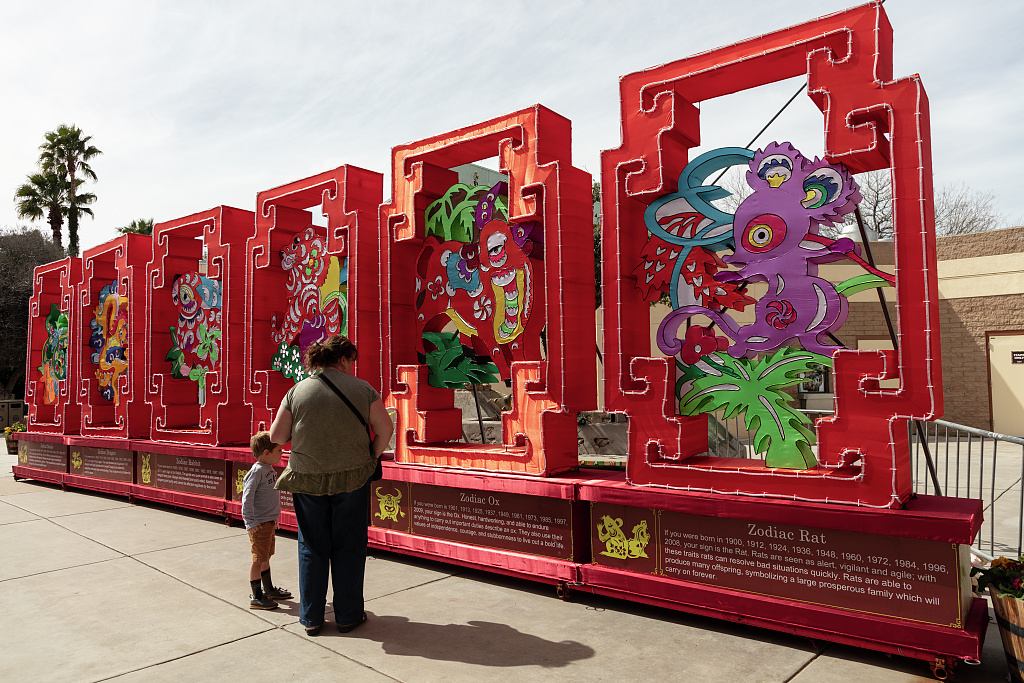
    Selected historical images touch on the experiences and contributions of Asian Americans and Pacific Islanders while living in the United States. A formal celebration of AAPI heritage comes each May. Unless otherwise noted, the images are from the Prints & Photographs Division.

    Browse more content that is free to use and reuse.

    https://www.loc.gov/free-to-use/asian-american-pacific-islander-heritage/ 

    The image pictured here is one of forty images in this set. Also included is a link to the 23 Library Research Guides for Asian American and Pacific Islander Studies. https://guides.loc.gov/asian-american-pacific-islander-studies 

      Pre K - 2   3 - 5   6 - 8   9 - 12   13+   AAPI   Asian American and Pacific Islander   Resource Sets  

    Reference note

    Scene at the Asian Lantern Festival at the Reid Park Zoo in Tucson, Arizona. The zoo partnered with the Confucius Institute at the University of Arizona, Tianyu Arts & Culture Inc., and Tucson Chinese Cultural Center to bring more than 400 colorful, customized lantern displays to the zoo park

    Created / Published

    • 2019-02-25.

    Genre

    • Digital photographs--Color--2010-2020

    Notes

    • -  Title, date and keywords based on information provided by the photographer.
    • -  Gift; Barbara Barrett; 2018; (DLC/PP-2018:112)
    • -  Forms part of Carol M. Highsmith's America Project in the Carol M. Highsmith Archive.
    • -  Credit line: Photographs in the Carol M. Highsmith Archive, Library of Congress, Prints and Photographs Division.

    Repository

    Digital Id

    American Archive of Public Broadcasting AAPI Collection

    Teaching Notes

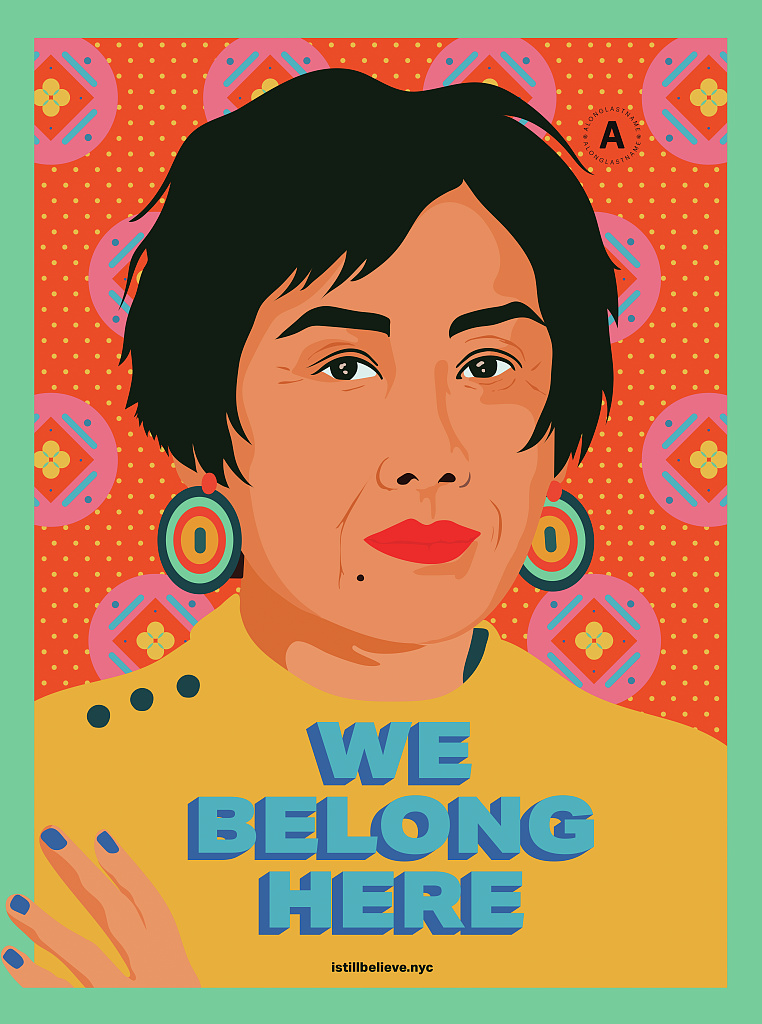
    The "We Belong Here" poster from Library of Congress Prints & Photographs Division illustrates the homepage of the curated special Asian American and Pacific Islander (AAPI) Collection of the American Archive of Public Broadcasting. This AAPI Collection features more than 700 public radio and television programs from 1965 to 2021 that highlight Asian American and Pacific Islander cultures in the United States. 

    There are a number of ways to access items in the AAPI Collection:

    • Read more about this special collection on the AAPB page HERE
    • Search the special collection (suggested search links included)
    • VIEW the entire collection
    • Click on individual Featured Items (bottom right of special collection page)
    • Follow the links to Other Resources for specialized topics such as Stop AAPI Hate

    Programs include transcripts that teachers can use for better understanding. Teachers can also clip segments for classroom use, but some segments have already been clipped for specific topics. For example, if you are teaching The Namesake, by Jhumpa Lahiri, you can go directly from a search on her name to a clip of an interview with the author about her Pulitzer prize winning book, Interpreter of Maladies. You'll find the clip at Description/Segment Description, and you can copy the segment URL from there. "To view the segment on Jhumpa Lahiri, visit https://americanarchive.org/catalog/cpb-aacip-507-jd4pk07r91?start=2893.32&end=3380.46 or jump to 00:48:14." A little complicated, but those segments are a real time saver. (See the Jhumpa Lahiri lesson plan in this album.)

      AAPB   American Archive of Public Broadcasting   Jhumpa Lahiri   Public Radio   Interviews  

      Meghan Sorensen  

    Reference note

    Summary

    • Poster designed to increase awareness about discrimination and violence against Asian Americans, including COVID-19 related attacks.

    Created / Published

    • Brooklyn : @alonglastname, 2021.

    Genre

    • Posters--2020-2030
    • Digital images--2020-2030

    Notes

    • -  Title, date, and other information from file header.
    • -  Gift; Amanda Phingbodhipakkiya; 2021; (DLC/PP-2021:027).

    Repository

    Digital Id

    Veterans' Stories: Struggles for Participation

    Teaching Notes

    The Veterans History Project's page, Veterans' Stories: Struggles for Participation, includes two interviews with Japanese American soldiers - Warren Tsuneishi and Jimmie Kanaya. An accompanying Teacher's Guide includes a historical timeline as well as suggestions for teachers. 

    In addition, the "Serving: Our Voices" collection in the Veterans History Project has eight personal narratives on a special page titled Asian Pacific Americans: Going for Broke.

    Jimmie Kanaya, 2004

      Social Studies/History   Veterans History Project   Japanese American Soldiers   World War II   Personal Narratives  

    Japanese American Internment

    Teaching Notes

    Between 1942 and 1945, thousands of Japanese Americans were, regardless of U.S. citizenship, required to evacuate their homes and businesses and move to remote war relocation and internment camps run by the U.S. Government. This proved to be an extremely trying experience for many of those who lived in the camps, and to this day remains a controversial topic.

    This Primary Source Set from Library of Congress collections includes eighteen iconic photographs, documents, and interviews. A Teacher's Guide gives historical background, suggestions for teachers, and links to additional collections.


    https://www.loc.gov/item/2001705937/ 

      Social Studies/History   Japanese Internment   Primary Source Set   World War II